
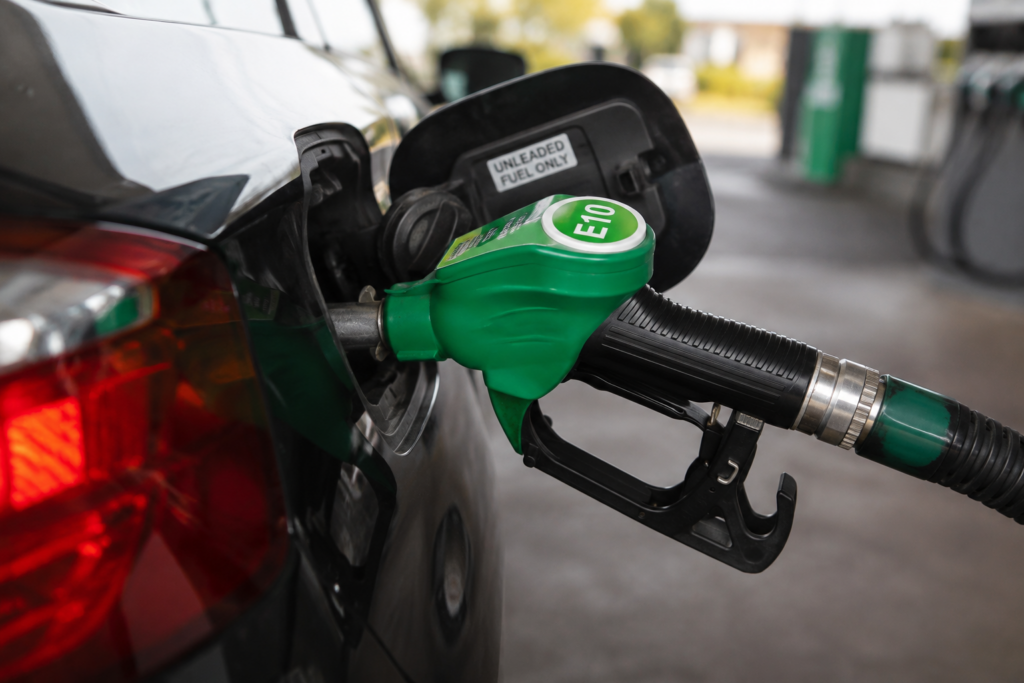
Since E10 petrol became the standard unleaded fuel across the UK, many drivers have wondered whether it could affect the health of their engine or increase servicing requirements. While E10 was introduced to help reduce vehicle emissions, its higher ethanol content has raised concerns about fuel system wear, fuel economy and long-term reliability, especially for older vehicles.
So, does using E10 petrol mean you should service your car more often?
For most modern cars, the answer is no. However, there are situations where more proactive maintenance can help prevent problems and keep your vehicle running efficiently.
What Is E10 Fuel?
E10 petrol contains up to 10% renewable ethanol blended with standard petrol. Before its introduction, regular unleaded fuel in the UK was typically E5, which contained up to 5% ethanol.
The switch to E10 was introduced as part of efforts to reduce carbon emissions from road transport. Ethanol is produced from renewable plant materials, meaning it can lower the overall carbon footprint of petrol vehicles.
Most petrol cars built since 2011 are fully compatible with E10, and many vehicles manufactured from the late 1990s onwards can also use it safely. However, some older cars, classic vehicles and specialist models may not be suitable for higher ethanol blends.
How E10 Can Affect Vehicles
Although E10 works perfectly well in most modern engines, ethanol behaves differently to traditional petrol. That difference can create maintenance concerns in some situations.
Fuel System Wear
One of the main concerns with ethanol-blended fuels is their effect on older fuel system components.
Rubber hoses, seals and gaskets found in older vehicles can gradually deteriorate when exposed to higher ethanol content over time. In severe cases, this can lead to cracking, leaks or fuel smells.
Modern vehicles use materials designed to cope with ethanol blends, so this issue is far less common in newer cars.
Moisture Absorption
Ethanol absorbs moisture from the atmosphere more readily than standard petrol. This becomes more problematic when vehicles are left standing unused for long periods.
If moisture builds up inside the fuel system, it can contribute to corrosion inside fuel tanks, fuel lines and injectors. Cars that are only driven occasionally are more likely to experience these issues than vehicles used regularly.
Reduced Fuel Economy
Many drivers notice a slight drop in fuel economy when using E10 instead of E5.
This happens because ethanol contains less energy than pure petrol. The reduction is usually small, often around 1 to 2%, but drivers covering high mileages may notice slightly lower MPG figures.
For most motorists, this difference is minor and does not create mechanical problems. However, if a car is already suffering from injector deposits or fuel system wear, the reduced efficiency can become more noticeable.
Storage and Seasonal Problems
Cars that spend long periods parked up can experience additional fuel-related issues with E10.
Over time, ethanol-blended fuel can degrade more quickly than traditional petrol. This can lead to stale fuel, poor combustion and harder starting. Classic cars, motorcycles and summer-use vehicles are especially vulnerable if fuel is left sitting in the tank for months at a time.
In extreme cases, moisture contamination can lead to fuel separation inside the tank, reducing fuel quality even further.
Should You Service More Often Because of E10?
For the majority of modern vehicles, manufacturers have not reduced service intervals because of E10 petrol. If your car is serviced according to the recommended schedule and driven regularly, E10 is unlikely to cause major issues on its own.
However, E10 does make preventative maintenance more important in certain cases.
Older petrol vehicles, infrequently used cars and classic models can benefit from more regular inspections of fuel system components. This does not necessarily mean a full service every few months, but it does mean paying closer attention to the condition of hoses, seals, injectors and filters.
Fuel filters may require replacement more regularly if contamination or corrosion becomes an issue. Likewise, fuel injector cleaning can help maintain performance and reduce rough running if deposits begin to build up.
Drivers who mostly use their car for short journeys may also benefit from periodic fuel system checks, as moisture build-up and incomplete combustion are more common in vehicles that rarely reach full operating temperature.
Signs E10 May Be Causing Problems
Most drivers will never experience any noticeable issues from using E10 fuel. However, there are several symptoms that could indicate developing fuel system problems.
Rough Idling
If the engine begins to idle unevenly or feels less smooth than usual, contaminated injectors or fuel system deposits could be contributing factors.
Hard Starting
Cars that struggle to start after sitting unused may be suffering from stale fuel or moisture contamination.
Reduced Performance
Hesitation under acceleration, sluggish throttle response or reduced fuel economy can sometimes point towards injector or fuel delivery issues.
Fuel Smells or Leaks
Strong petrol smells should never be ignored. Older seals or fuel lines affected by ethanol exposure can eventually begin to leak.
Warning Lights
Engine management lights related to fuel mixture or emissions may occasionally appear if fuel delivery becomes inconsistent.
Any of these symptoms should be inspected promptly before they develop into more expensive repairs.
How to Reduce E10-Related Issues
The good news is that a few simple habits can significantly reduce the likelihood of fuel-related problems.
Drive the Vehicle Regularly
Cars that are driven frequently tend to experience fewer E10-related issues because fuel does not sit stagnant in the system for extended periods.
Avoid Long-Term Fuel Storage
If a vehicle will not be used for several months, it may be worth using a fuel stabiliser or filling with E5 super unleaded instead.
Keep Up With Servicing
Routine servicing remains the best defence against fuel system problems. Regular inspections can catch deteriorating hoses, blocked filters or early corrosion before they become serious.
Consider E5 for Older Cars
Some classic or specialist vehicles are better suited to E5 super unleaded due to lower ethanol content. Owners should always check manufacturer guidance and compatibility information.
Keep the Fuel Tank Reasonably Full
A fuller fuel tank leaves less room for condensation to form, reducing moisture build-up inside the system.
Conclusion
For most modern petrol cars, E10 fuel does not mean you suddenly need to service your vehicle more often. Modern engines and fuel systems are designed to handle ethanol-blended petrol without major difficulty.
That said, E10 does place greater importance on preventative maintenance, particularly for older vehicles, rarely used cars and classic models. Fuel system inspections, injector cleaning and regular servicing can all help reduce the risk of corrosion, leaks and performance issues over time.
In reality, the biggest risk is not usually the fuel itself, but neglecting small maintenance issues until they become expensive problems. Staying on top of servicing and using the correct fuel for your vehicle will do far more for long-term reliability than worrying about E10 alone.