
Introduction
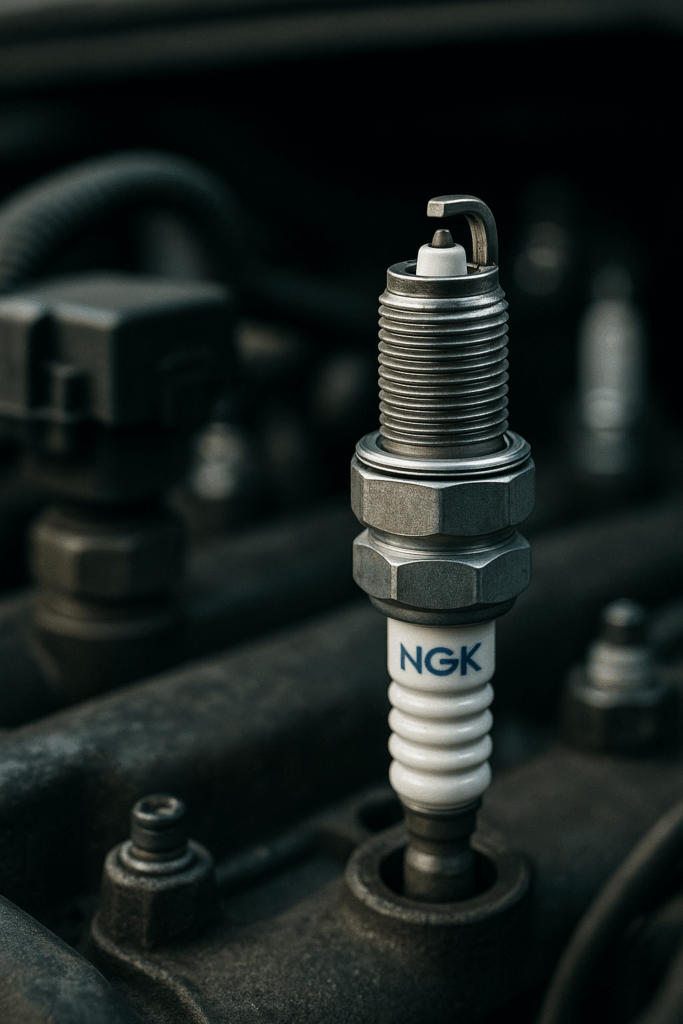
If you drive a petrol car, your spark plugs are small parts with a big influence. Each plug creates the spark that lights the compressed air and fuel in the cylinder. When that spark is strong, well timed and consistent, the burn is more complete. That helps the engine extract more energy from every drop of petrol, which supports better fuel economy and cleaner exhaust gases. When plugs are worn or poorly specified, combustion can be patchy. That wastes fuel, harms drivability and pushes up the pollutants that can cause an MOT emissions failure. This article explains the link and shows how a little attention to your spark plugs can improve fuel burn and cut emissions.
Why spark plugs matter for fuel burn and emissions
Combustion quality is everything in a spark-ignition engine. The aim is to burn the air fuel mixture rapidly and evenly so that pressure rises at the right moment and the engine converts that pressure into useful work. Spark plugs begin that process. A strong, focused spark helps the flame front start cleanly, which reduces the chance of misfires and incomplete burn. Incomplete burn shows up as unburnt hydrocarbons and higher carbon monoxide in the tailpipe. It also means the engine needs more fuel to make the same power, so your miles per gallon suffer.
Modern high-quality spark plugs use advanced electrode designs and precious-metal tips to concentrate the spark and resist wear. That helps maintain a reliable ignition event over tens of thousands of miles. Upgrading from old standard plugs to modern designs can smooth the idle, reduce the load on the ignition system and support more stable combustion, which can lower emissions and improve fuel use.
How spark plugs work
The ignition system builds a high voltage which jumps the gap between the plug’s centre and ground electrode. That sudden discharge heats and ionises the gases in the gap and creates a flame kernel. The flame then grows across the chamber, igniting the rest of the mixture. The quality of this event depends on several factors you can control:
- Spark gap: Too wide and the coil struggles to fire under pressure. Too tight and the spark is weak and may not light lean mixtures.
- Heat range: A plug that runs too hot can cause pre-ignition. Too cold and it fouls with deposits.
- Electrode design and material: Fine-tip iridium or platinum electrodes need less voltage to fire and shed fewer deposits over time, which helps maintain consistent ignition.
Getting these basics right supports complete combustion. Complete combustion means less wasted fuel and a cleaner exhaust.
What happens when spark plugs deteriorate
Spark plugs wear every time they fire. The gap slowly increases as material erodes from the electrodes. Deposits from oil, fuel additives and poor mixture control can build on the insulator nose. Leads and coils age too, which raises the voltage needed to fire. The symptoms are familiar to many drivers: rough idle, hesitation, hard starting, reduced power and worse fuel economy.
From an emissions standpoint the picture is clear. A weak or inconsistent spark increases the chance of partial combustion or a full misfire. Partial combustion leaves unburnt hydrocarbons and carbon monoxide in the exhaust. Repeated misfires also send raw fuel to the catalytic converter, which can overheat and degrade the catalyst. That is a straight path to higher emissions and potential MOT issues.
The emissions link
Petrol emissions measured at test stations focus on pollutants that rise when combustion is poor. Unburnt hydrocarbons indicate fuel that never burned. Carbon monoxide forms when there is not enough oxygen or the flame is quenched before the burn completes. Oxides of nitrogen are shaped by temperature and timing, which are also affected by how the flame starts and grows. Healthy spark plugs that fire cleanly at the right moment help the flame develop properly. That reduces the conditions that produce high HC and CO and supports the catalytic converter’s work in cleaning up what remains.
Several technical studies and manufacturer briefings reach similar conclusions. Fine-wire precious-metal electrodes tend to need less voltage to ignite, which stabilises the flame kernel especially in lean or diluted mixtures. Some test programmes have also looked at multi-electrode plugs, reporting improvements in combustion stability and measured emissions in certain engines. Results vary by engine and calibration, but the common thread is that consistent ignition supports cleaner running.
Choosing the right spark plug
There is no single best plug for all engines. Follow the vehicle manufacturer’s specification first, then consider quality upgrades within that specification.
- Copper core, nickel electrode: Low cost and effective, but shorter service life. Good for older engines with shorter replacement intervals.
- Platinum or iridium fine-wire: Longer life, lower firing voltage and better resistance to erosion. Often the best choice for modern petrol engines.
- Multi-electrode designs: In some applications these can improve spark exposure and durability. Gains depend on chamber shape and ignition strategy.
- Correct heat range and gap: Always match the recommended heat range. Set the gap to the specified value unless the plug is supplied pre-gapped for your engine and the maker advises against adjustment.
Buy trusted brands, avoid unknown bargain plugs and check that the part number is correct for your exact engine code. A premium plug installed with the wrong heat range or gap will not deliver the expected benefits.
Maintenance checklist
A small amount of planned maintenance prevents a lot of wasted fuel and failed tests.
- Observe replacement intervals: Many modern iridium or platinum plugs are rated for long service, but they still have a mileage or time limit. If you have just bought a used car with spotty history, put plugs on your baseline service list.
- Inspect condition: A light tan insulator typically indicates healthy running. Oily, sooty or glazed deposits suggest other issues that a technician should diagnose before simply fitting new plugs.
- Check the gap: Use the correct tool and measure with feeler gauges. Do not pry on fine-wire electrodes.
- Verify coil and leads: Ageing coils and leads raise firing voltage, which accelerates plug wear and causes misfires. Replace faulty components in pairs or sets.
- Use a torque wrench: Over-tightening can damage threads. Under-tightening can cause poor heat transfer and gas leakage.
- Record the change: Note brand, part number and mileage. That helps plan the next service and trace any drivability changes.
- Link to MOT readiness: If your car has failed or marginally passed an emissions test, a plug check is quick and often revealing. Restoring a crisp spark can bring HC and CO down if the cause is incomplete burn rather than deeper engine faults.
FAQs and take-away tips
Will new spark plugs alone boost my miles per gallon?
If your old plugs were worn or fouled, drivers often notice smoother running and a modest improvement in fuel use. The effect depends on the starting point and the overall health of the ignition and fuel systems.
Are iridium plugs worth it?
For many modern engines they maintain a consistent spark over a longer interval, which supports stable combustion and emissions control. They cost more up front but typically pay back in longevity and fewer misfire issues.
Do multi-electrode plugs always reduce emissions?
They can help in some engines, but results depend on combustion chamber design and mapping. Focus first on using the correct, high-quality plug specified for your vehicle.
How often should I replace spark plugs?
Follow the service schedule in your handbook. As a rule of thumb, older copper-nickel plugs may be due around 20,000 to 30,000 miles, while many iridium or platinum plugs last much longer. Local use with lots of short trips can shorten effective life.
Key take-aways
Keep your spark plugs in top condition, matched to your engine and correctly gapped. That supports a cleaner, more complete burn, which lowers HC and CO, protects the catalyst and helps with MOT emissions. It also saves fuel and restores crisp, smooth drivability. If you have noticed rough running, a rise in fuel consumption or an emissions warning, put a plug check near the top of your list.