Taxi MOT Standards — How They Differ from Cars

Taxi MOT Standards — How They Differ from Cars

In the United Kingdom most cars over three years old must pass an annual MOT test. This test is a legal requirement to ensure vehicles meet basic safety and roadworthiness standards including checks of brakes tyres lights steering suspension body corrosion and emissions. The MOT test applies to everyday private vehicles and is recognised by the Driver and Vehicle Standards Agency as the minimum requirement for legal use on public roads.

Taxis and private hire vehicles that carry fare paying passengers are subject to additional regulatory requirements above and beyond the regular MOT test. Since these vehicles are used commercially and carry members of the public they must meet higher standards of safety reliability comfort and presentation. Local licensing authorities enforce these standards as part of the taxi licensing regime.

What the Standard MOT Covers

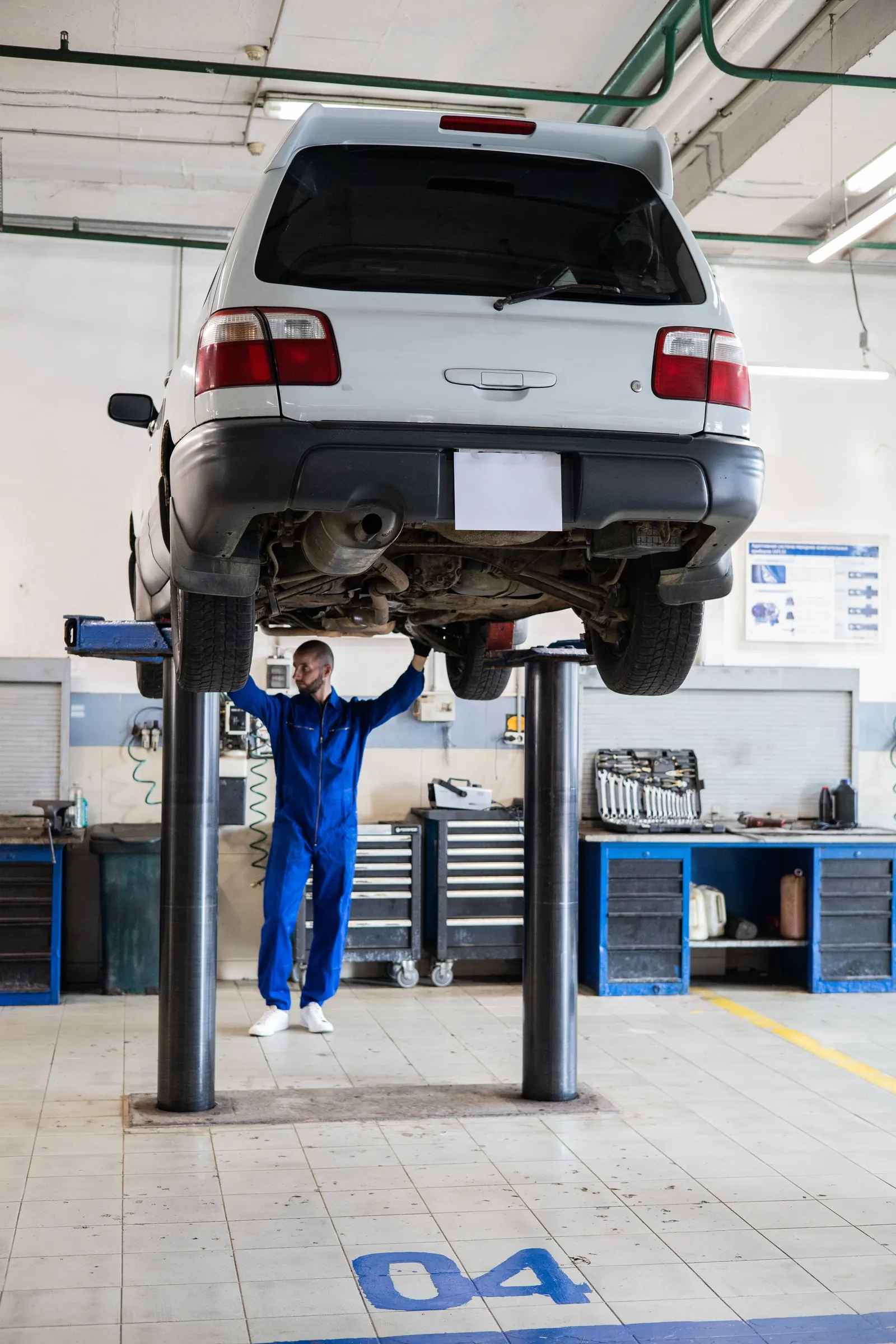
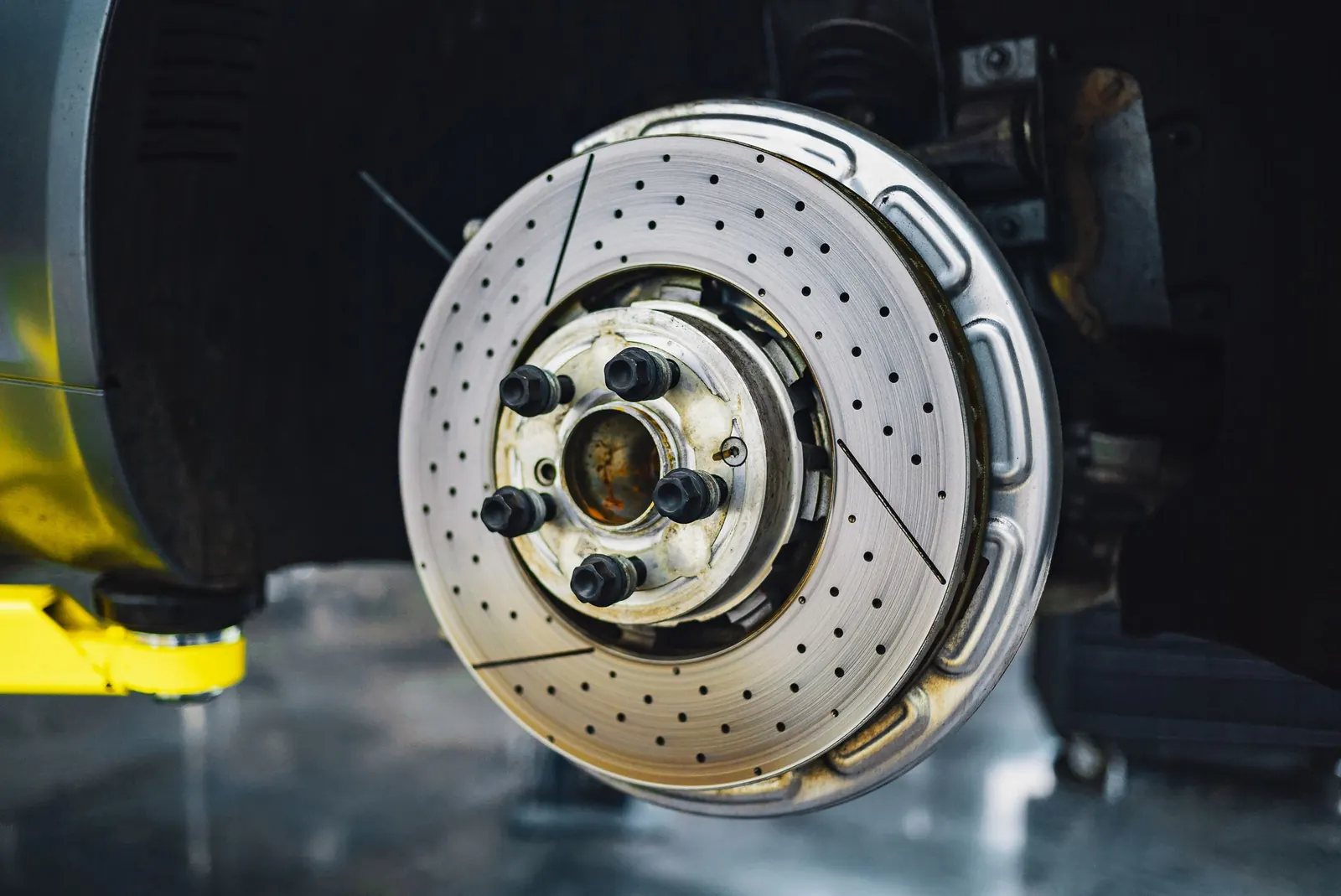
An MOT test is carried out at approved test stations and is designed to assess whether a vehicle is safely maintained and roadworthy. It looks at key safety related systems and components including the vehicle structure tyres lighting signalling emissions and more. Vehicles that do not meet the minimum standards fail the MOT and must be repaired and retested before they can legally be driven on public roads. The certificate issued at a successful test is recognised nationally and is a simple indicator of compliance with statutory roadworthiness standards.

For most private cars this annual MOT is all that is required to prove basic fitness to drive. The purpose is to protect the driver other road users and the environment by ensuring vehicles meet baseline technical and safety specifications.

Why Taxis Are Tested Differently

Taxis and private hire vehicles operate under licences granted by local councils or transport authorities. These licences require vehicles to do more than simply hold a current MOT certificate. Because taxis carry passengers for hire and reward and are used intensively over many miles each week they must conform to higher standards of safety cleanliness and functionality. This means that even if a vehicle has a valid MOT licence it must still pass additional inspections and tests before it can gain or retain a taxi licence.

Most councils require that vehicles presented for licensing meet both the normal MOT criteria and supplementary compliance checks covering aspects such as interior and exterior condition cleanliness safety equipment and overall presentation. These supplementary checks reflect the fact that taxis must be fit for passengers not just compliant with minimum legal standards.

How Taxi Testing Works

Taxi testing regimes vary across the UK because bus licensing and vehicle fitness policies are set by individual local authorities. However most authorities follow a similar general pattern. Before a licence plate is issued or renewed a vehicle must undergo a compliance test which at a minimum covers all the standard MOT elements but also includes extra checks that reflect local conditions of fitness or licensing policies.

For example some councils combine the MOT test with the taxi compliance inspection into one procedure that satisfies both sets of requirements. Other authorities require the vehicle to have a valid MOT certificate before it can be presented for compliance checks which cover additional elements such as interior condition and equipment.

In practice a taxi compliance test often includes checks on cleanliness inside and out the condition of the bodywork tyres and wheels and the presence and condition of safety equipment such as fire extinguishers. These checks go beyond the minimum legal criteria of an MOT and reflect the fact that taxis must be kept in a condition that will not cause discomfort or safety concerns for passengers.

In some councils the compliance test or mechanical inspection might occur at more frequent intervals than the annual MOT test. For instance a private hire vehicle might be inspected every six months while a hackney carriage might require checks at six months and twelve months to coincide with licence renewal cycles. These intervals are determined locally and may vary depending on the age condition and use of the vehicle.

Frequency of Taxi Inspections vs MOT

Standard MOT regulations require annual testing for most vehicles older than three years. In contrast taxi inspection frequencies are often set locally and may require tests more regularly especially for older vehicles. Some licensing authorities require vehicles to undertake compliance checks at six month intervals once they reach a certain age. These more frequent inspections help ensure that taxis remain in a high state of repair given their commercial use.

In areas where compliance tests must be carried out in addition to the MOT taxi licence holders must budget time and expense for both procedures each year. Because compliance standards are typically higher than the basic MOT test as a minimum this ensures that vehicles are maintained to a higher specification throughout their working life.

Certificate of Compliance and Licensing Implications

To demonstrate that a vehicle meets the enhanced standards required for taxi work most councils issue a Certificate of Compliance. This certificate confirms that the vehicle has passed all necessary inspections including both MOT and supplementary checks. Without this certificate a vehicle cannot be licensed to operate as a taxi or private hire vehicle.

The Government’s MOT testing guide explains that where licensing authorities are certified they may issue exemptions from the requirement for a separate MOT certificate if the vehicles have been tested to standards at least equal to those of the MOT. This means that in certain areas the taxi compliance test replaces the separate MOT requirement but only if it is demonstrably at least as stringent as the statutory MOT.

Where this exemption is not in place a vehicle must hold a current MOT certificate and then pass the additional local compliance checks in order to obtain or renew a licence. If a vehicle fails to meet either the MOT or the supplementary standards it will not be licensed for taxi use.

Variability Across Local Authorities

There is no single national taxi MOT standard that applies uniformly across the UK. Instead local licensing authorities set their own criteria for vehicle condition compliance based on local policy objectives and community expectations. While all licensed vehicles must at a minimum be roadworthy and safe many areas demand higher standards of appearance and condition than those required for ordinary private cars.

This variability means that taxi drivers who operate across different areas may find that the inspection tests and required standards differ. It also means that fleet operators and drivers need to be aware of their specific local authority requirements so that vehicles are prepared for inspection and can meet the standards set out in compliance manuals or licensing policy documents.

Practical Considerations for Drivers and Fleet Operators

Knowing how taxi testing differs from a standard MOT helps taxi drivers and fleet operators plan maintenance and compliance. Since additional checks place more emphasis on vehicle condition and presentation drivers should ensure that vehicles are kept in a condition that exceeds basic roadworthiness standards. Regular servicing and attention to interior cleanliness and exterior appearance will reduce the risk of failure at compliance tests.

Because some authorities require more frequent inspections this may also impact operational scheduling and budgeting. Drivers and operators should check licence renewal dates and inspection cycles to avoid lapses in compliance that could take a vehicle out of service.

Conclusion

In summary standard car MOT testing provides the minimum legal standard of safety and roadworthiness required for use on UK roads. Taxi MOT standards involve additional layers of inspection and compliance to ensure that vehicles used to carry fare paying passengers meet higher levels of safety comfort reliability and presentation. These additional requirements reflect the commercial nature of taxi work and are enforced by local licensing authorities through compliance tests that supplement or in some cases replace the separate MOT test. Understanding these differences helps drivers and operators keep their vehicles compliant and their licences valid.