Pre‑Purchase MOT Checks - Spot Hidden Issues

Pre‑Purchase MOT Checks: Spot Hidden Issues

Why MOT History Matters When Buying a Used Car

Pre‑purchase checks are a vital part of buying any used car in the UK, and one of the most valuable tools at your disposal is the MOT history. While a current MOT certificate tells you that a vehicle is legal to drive, the full MOT history can reveal patterns and warnings that show how well the car has been maintained and whether there might be hidden issues. Using the MOT history intelligently can help you avoid costly mistakes and negotiate with confidence.

How to Check MOT History

The UK government holds MOT history records for all vehicles that have been tested. By entering the registration number into the official MOT history checker on GOV.UK, you can see every test the vehicle has undergone, what the result was, and what mileage was recorded at the time. This check is free and open to everyone, not just the current owner. All you need is the vehicle’s registration number.

An MOT history record shows the date of each test, whether the vehicle passed or failed, and the mileage recorded at the time of testing. It also includes notes on any advisories or detailed reasons for failure. This information creates a timeline of how the vehicle has performed over time, and when interpreted correctly it reveals much more than a single MOT certificate does.

Start by Verifying the Basics

To begin, ask the seller for the vehicle’s registration number and use it to run a check on the official MOT history website. Confirm that the details returned by the check match what the seller has told you about the car. This step helps verify that documentation is genuine and can highlight discrepancies early in the process.

What to Look for in the MOT History

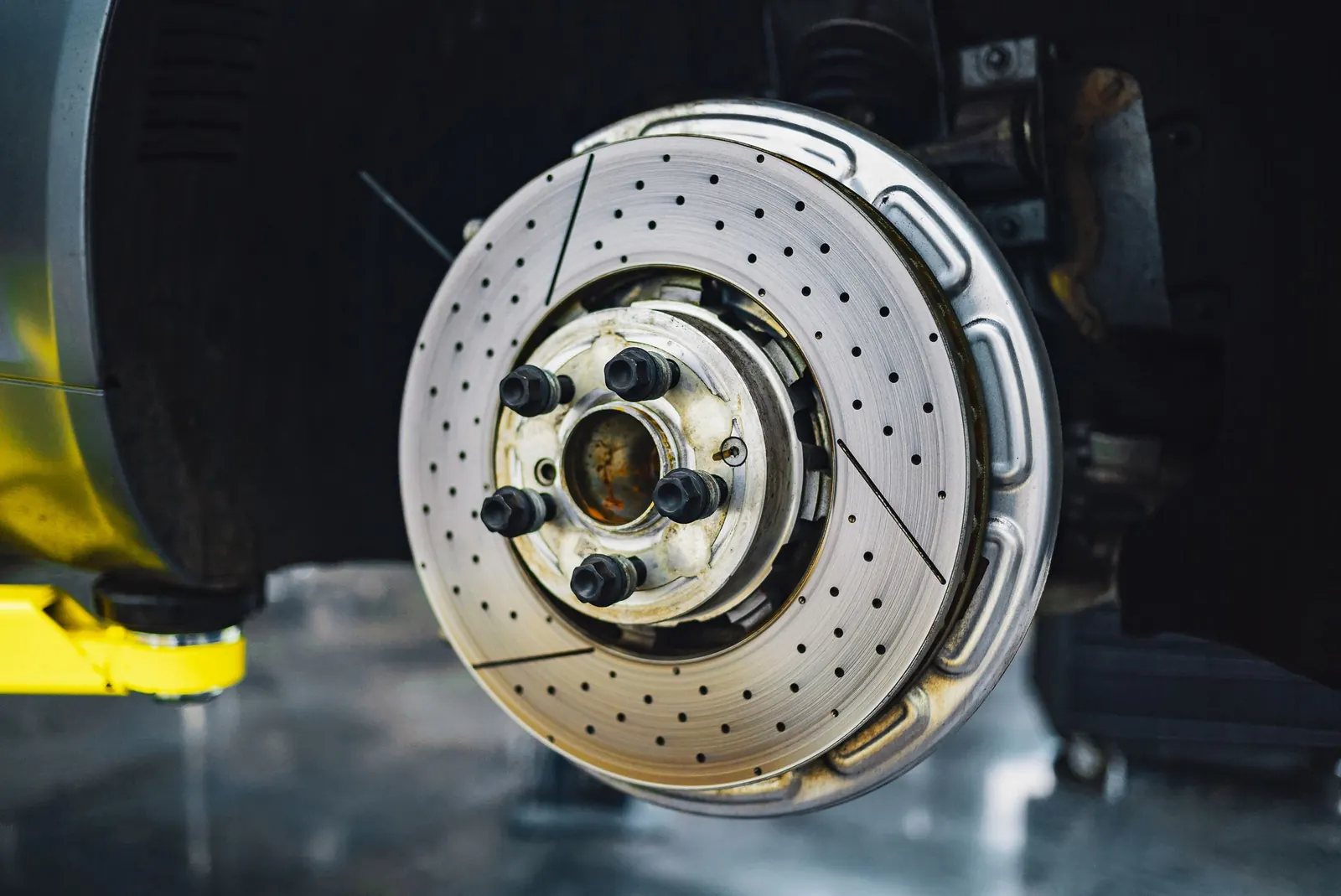
Once you have the MOT history, here are the key things to look for. The first and most obvious is the pattern of pass and fail results. A car that has repeatedly failed MOT tests for the same issues could indicate that problems are recurring or that previous repairs have not been properly carried out. These repeat failures, especially for safety‑critical items like brakes or suspension, suggest ongoing issues that may still be present.

Understand the Importance of Advisory Notes

Advisory notes are another important part of the MOT history. An advisory is a warning recorded during an MOT that does not cause the test to fail but highlights parts that are worn or nearing the legal limit. Common advisories include worn brake pads, tyres close to the legal tread depth, or minor suspension issues. While a passed MOT may seem reassuring, multiple advisories left unaddressed over several years can add up to significant repairs in future.

Check the Mileage Consistency

In addition to advisories, the mileage figures listed in the MOT history are useful for spotting inconsistencies. Mileage should generally increase steadily over time. Sudden drops in recorded mileage or large gaps between tests might indicate odometer tampering. Odometer fraud, sometimes called clocking, is illegal but still happens, and the MOT history is one of the few reliable sources to check true mileage because MOT testers record the odometer reading at each test.

Look at Gaps & Frequency of Tests

The time between tests can also be telling. In the UK, vehicles over three years old must have an annual MOT. If you see large gaps between tests without any explanation, it could mean the car was off the road, perhaps due to long‑term neglect or because it was not insured or taxed. Conversely, very frequent tests could indicate persistent problems requiring constant attention.

Red Flags in the MOT History

Reading the MOT history is not always straightforward, and not every advisory or failure is a reason to walk away. Some issues, such as minor advisories about bulb replacements or small cosmetic problems, may be benign. However, if you see a pattern of serious advisories or frequent failures for issues that reflect structural or safety faults, think carefully about whether the vehicle is worth purchasing.

Mileage discrepancies are one of the clearest red flags you can find. A long‑term history that shows mileage rising at a reasonable rate supports the seller’s claims about how the car has been used. But if the recorded mileage drops or does not align with what the odometer currently shows, this could be evidence of tampering. Such inconsistencies are a strong reason to question the seller, seek expert advice, or walk away from the deal.

Use the MOT History with Other Records

It is also worth considering the context provided by the MOT history alongside other sources. For example, combining the MOT history with a robust service record, which shows regular servicing at reasonable intervals, gives a much clearer picture of how the car has been cared for. A complete service history that matches the MOT records builds confidence in the vehicle’s condition and ownership history.

Go Beyond the MOT: Book a Professional Inspection

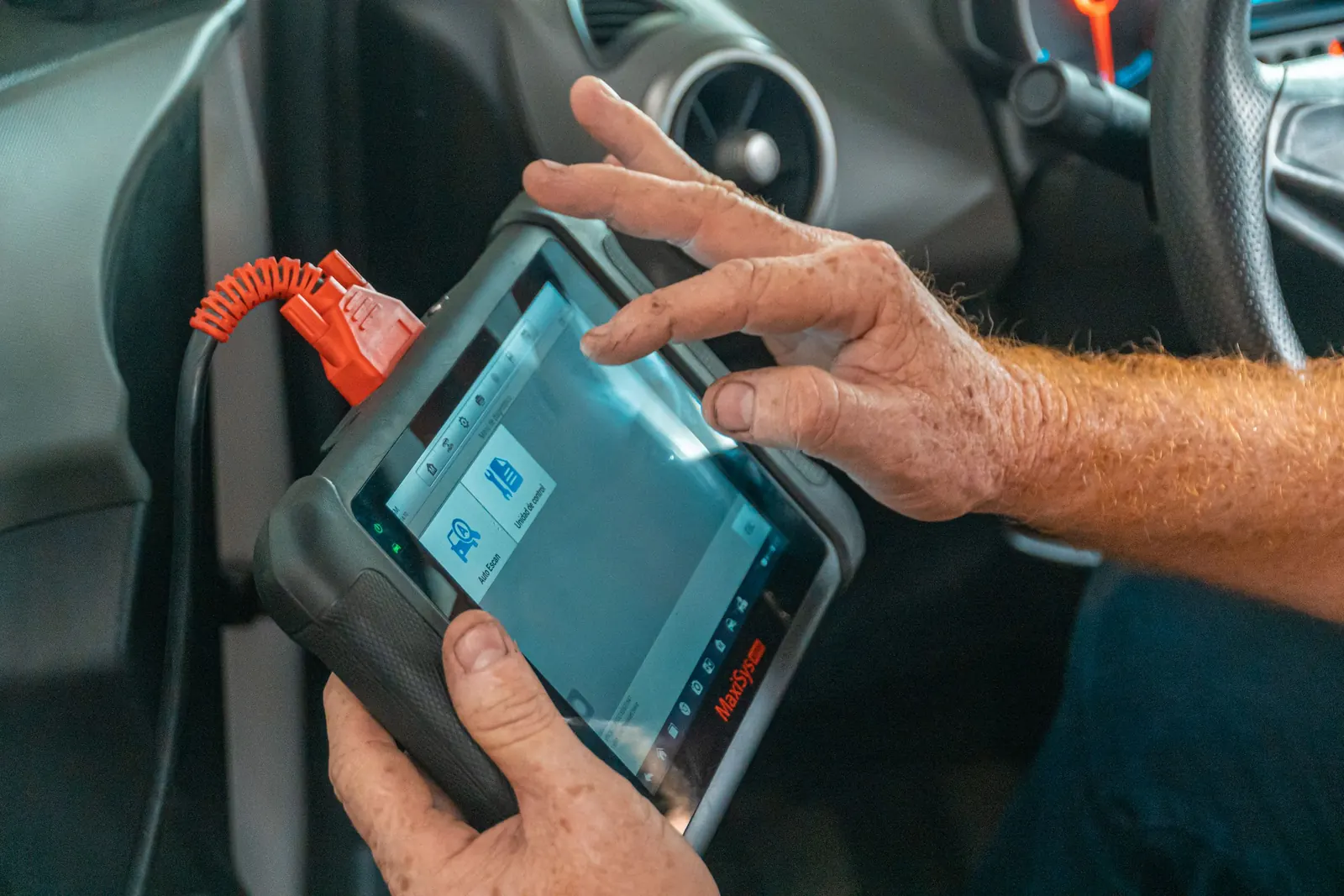
Even a clean MOT history should not be the only check you make. Some faults do not appear on MOT reports, especially if they do not relate to legal safety standards. A professional inspection by a qualified mechanic, or a pre‑purchase check by organisations such as the RAC or AA, can uncover issues that the MOT history does not record. These inspections often include visual checks of the vehicle’s underside, engine performance tests, and diagnostics that go beyond the annual safety test.

Make Better Decisions with the Right Information

Using the MOT history as part of your pre‑purchase checklist gives you a factual foundation from which to assess potential cars. It removes guesswork and allows you to ask targeted questions of the seller. If you spot problems, you can ask for documentation showing that repairs were done, or you can use the information to negotiate a lower price to reflect the cost of upcoming work.

Final Thoughts

In summary, an MOT history check is a powerful pre‑purchase tool that helps buyers spot hidden issues before committing to a sale. It provides insight into past failures, advisories, and mileage consistency, all of which are indicators of how well a vehicle has been maintained. While not a substitute for a full mechanical inspection, interpreting the MOT history correctly can save you time, money, and disappointment. Knowing what to look for, how to interpret the data, and how to combine it with other checks allows you to make a more informed and confident purchase decision.