Keeping your car in good working order is an important part of responsible car ownership. One of the best ways to ensure your vehicle stays safe, reliable and efficient is by having regular services. Among the options available, a small service is often the first scheduled maintenance many motorists encounter. This guide explains what a small service involves, why it matters and how it fits into your vehicle’s overall care schedule.
What Is a Small Service?
A small service is a scheduled maintenance check that focuses on the core elements of your car’s health. It is sometimes called an interim or minor service, and on many vehicles it is recommended every 6,000 miles or six months, whichever comes first. On others it may be included in the routine annually, particularly where manufacturers define the maintenance schedule differently. The exact frequency should always be confirmed in your vehicle’s handbook or service schedule.
The goal of a small service is to carry out essential checks and maintenance that help prevent issues from becoming more serious or costly over time. It is generally less comprehensive than a full or major service, which cover more systems and components.
Core Components of a Small Service
Engine Oil and Filter Change
One of the most fundamental parts of any small service is changing the engine oil and replacing the oil filter. Engine oil keeps moving parts lubricated and helps prevent wear and overheating. Over time oil becomes contaminated and less effective, so replacing it regularly keeps the engine running smoothly and efficiently.
Visual and Safety Checks
Technicians will carry out basic visual inspections of key safety systems. This typically includes checking the brakes for obvious issues, assessing suspension components for visible wear and looking for fluid leaks. These checks help identify potential problems before they develop into more serious faults.
Fluid Checks and Top‑Ups
Essential fluids such as coolant, brake fluid, windscreen washer fluid and power steering fluid are checked and topped up if necessary. Maintaining the correct levels of these fluids is essential for safe driving and optimal performance of critical systems.
Tyre and Wheel Inspection
Tyres are examined for tread depth, condition and correct pressure. Proper tyre condition is vital for grip on the road, handling and overall safety. Technicians may also check the spare tyre and wheel nuts if access is possible.
Lights, Battery and Electrical
All exterior lights, including headlights, indicators and brake lights, are tested for proper operation. The battery’s condition may also be assessed, including terminal connections and overall charge health.
Basic Brake Checks
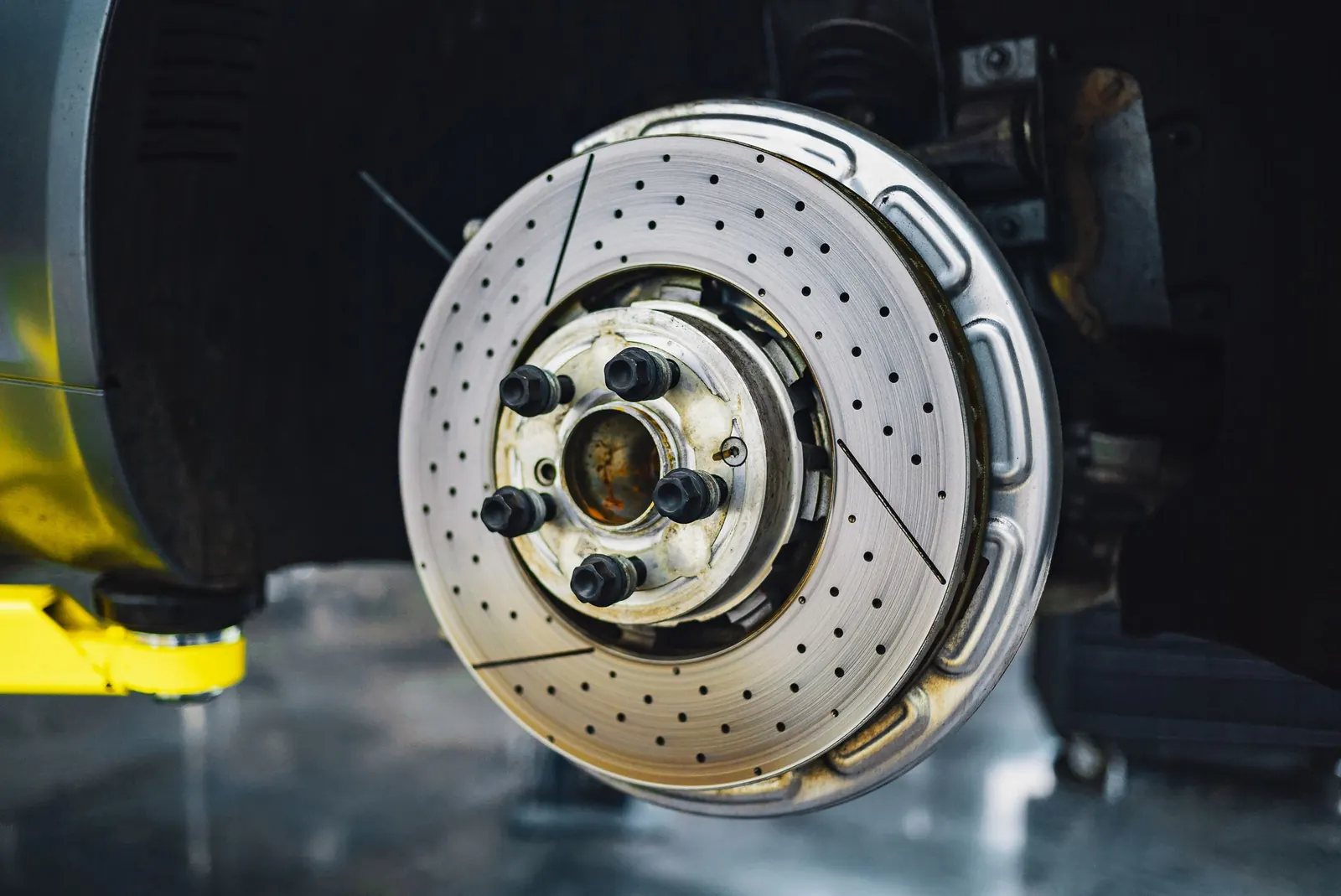
While a small service does not usually include a full brake overhaul, brake pads, discs and fluid levels are typically checked for signs of wear. If the technician identifies obvious issues, they can recommend further inspection or repairs.
Windscreen Wipers and Washer System
Windscreen wipers and the washer system are checked for performance. This ensures clear visibility in all weather conditions, which is essential for safe driving.
What Isn’t Usually Included
A small service focuses on essentials and basic checks. More in‑depth tasks such as replacing the air filter, cabin filter, spark plugs, gearbox or transmission fluid, brake fluid changes and comprehensive engine diagnostics are typically part of a full or major service rather than a small one. These items may be added if specifically requested or if a technician deems them necessary during the inspection, but they are not standard for a small service.
Why a Small Service Matters
Regular servicing offers several benefits:
Supports Vehicle Safety
Small services help catch issues that might compromise safety. Simple checks on brakes, tyres, lights and fluid levels can highlight obvious concerns that need attention.
Helps Maintain Efficiency
Routine oil changes and checks of fluids and filters help your engine run as efficiently as possible. This can support better fuel economy and smoother driving.
Prevents Costly Repairs
Addressing small problems early often prevents them from becoming major faults later. Overlooking basic maintenance can lead to more expensive repairs down the line.
Maintains Vehicle Value
A documented service history shows prospective buyers that a car has been well maintained. Regular servicing, including small services, contributes to a complete service record that can help maintain resale value.
How Often Should You Have a Small Service?
The recommended frequency of a small service depends on your car and how you use it. Many manufacturers suggest an interim or minor service every six months or around 6,000 miles, while other schedules may group it into annual servicing cycles. Always check your vehicle’s handbook for exact guidance. Dealer and independent service centres can also advise based on your car’s usage and age.
Small Service Versus Full and Major Services
To understand where a small service fits, it helps to compare it with other service types:
Small Service
This includes essential checks such as engine oil and filter changes, fluid top‑ups, visual inspections and basic safety checks. It is a lighter, more frequent maintenance option. A small service focuses on routine upkeep and identifying clear concerns.
Full Service
A full service covers everything in a small service plus more comprehensive checks and replacements. It typically involves inspecting or replacing the air filter, checking suspension and steering systems more thoroughly and may include additional components depending on the garage. Full services are usually scheduled annually.
Major Service
A major service is the most in‑depth scheduled maintenance and includes all the checks from both small and full services, with additional attention to parts that wear over longer periods. This often means replacing brake fluid, swapping out filters like air and cabin filters and examining components such as spark plugs. Major services generally occur less frequently, for example every 24,000 miles or every two years on many schedules.
What to Expect When You Book In
When you take your car in for a small service, the garage will usually carry out the checks and tasks listed above and provide a checklist or report detailing what was done. If they find issues that need further investigation or repair, they should discuss these with you before proceeding. It is also a good idea to bring your vehicle’s service book or digital service record so the technician can update it accurately.
Practical Tips for Car Owners
Always follow the service intervals in your vehicle’s handbook and keep records of each service. If you drive more frequently, take long journeys regularly or use your car for towing or heavy loads, you may benefit from more frequent servicing. Regularly checking tyre pressure, oil levels and lights between services helps maintain safety and can highlight issues that need professional attention.
Conclusion
A small service is an essential part of keeping your car in good condition. It focuses on the core maintenance tasks that support safe, reliable and efficient driving. By understanding what is included and how often these services should be carried out, you can make informed decisions about your vehicle’s care and avoid unnecessary problems in the future. Regular servicing builds a solid maintenance history, protects your investment and helps ensure your car remains roadworthy for years to come.