OBD Codes 101 - When to Seek Professional Help

OBD Codes 101: When to Seek Professional Help

Modern vehicles are highly sophisticated machines that rely on electronic systems to manage engine performance, emissions, and safety features. Part of this complexity includes an on‑board diagnostics system that continually monitors how well your car is operating. When something goes wrong, your vehicle will store a fault code and usually illuminate a warning light on the dashboard. These codes can provide valuable insights, but they are not always straightforward to interpret. Understanding when to tackle an issue yourself and when to seek professional help can save you time and avoid unnecessary repairs or further damage to your car.

What Are OBD Codes?

On‑board diagnostics (OBD) is the system that allows a vehicle to monitor its own performance and report faults. Most cars sold in the UK and Europe after the early 2000s are equipped with a standardised version known as EOBD, which is essentially the same as the OBD‑II system used in the United States. The purpose of this system is to detect malfunctions, particularly those that may affect emissions, engine performance, or safety, and store diagnostic trouble codes that can be read with a scanner.

OBD codes are alphanumeric codes made up of one letter followed by four digits. The letter indicates the general area of the vehicle where a fault has been detected. For example, a code beginning with P relates to the powertrain (engine and transmission), B relates to the body (such as airbags), C is for the chassis (including brakes and suspension), and U covers network or communication issues between control modules.

The digits that follow help narrow down the nature of the problem. The second digit usually indicates whether the code is a generic code, defined by international standards, or a manufacturer‑specific code. The remaining digits point to more specific subsystems and faults. However, a code does not tell you exactly what part needs replacing; it simply identifies the area where the issue has been detected and provides a starting point for further diagnosis.

How OBD Codes Are Revealed

When the vehicle’s computer detects a problem, it typically turns on a warning light on the dashboard. The most familiar is the check engine light, also called the malfunction indicator lamp. A steady warning light suggests a non‑urgent issue that should be checked soon, while a flashing light generally means a more serious fault that requires immediate attention, as continued driving could cause damage.

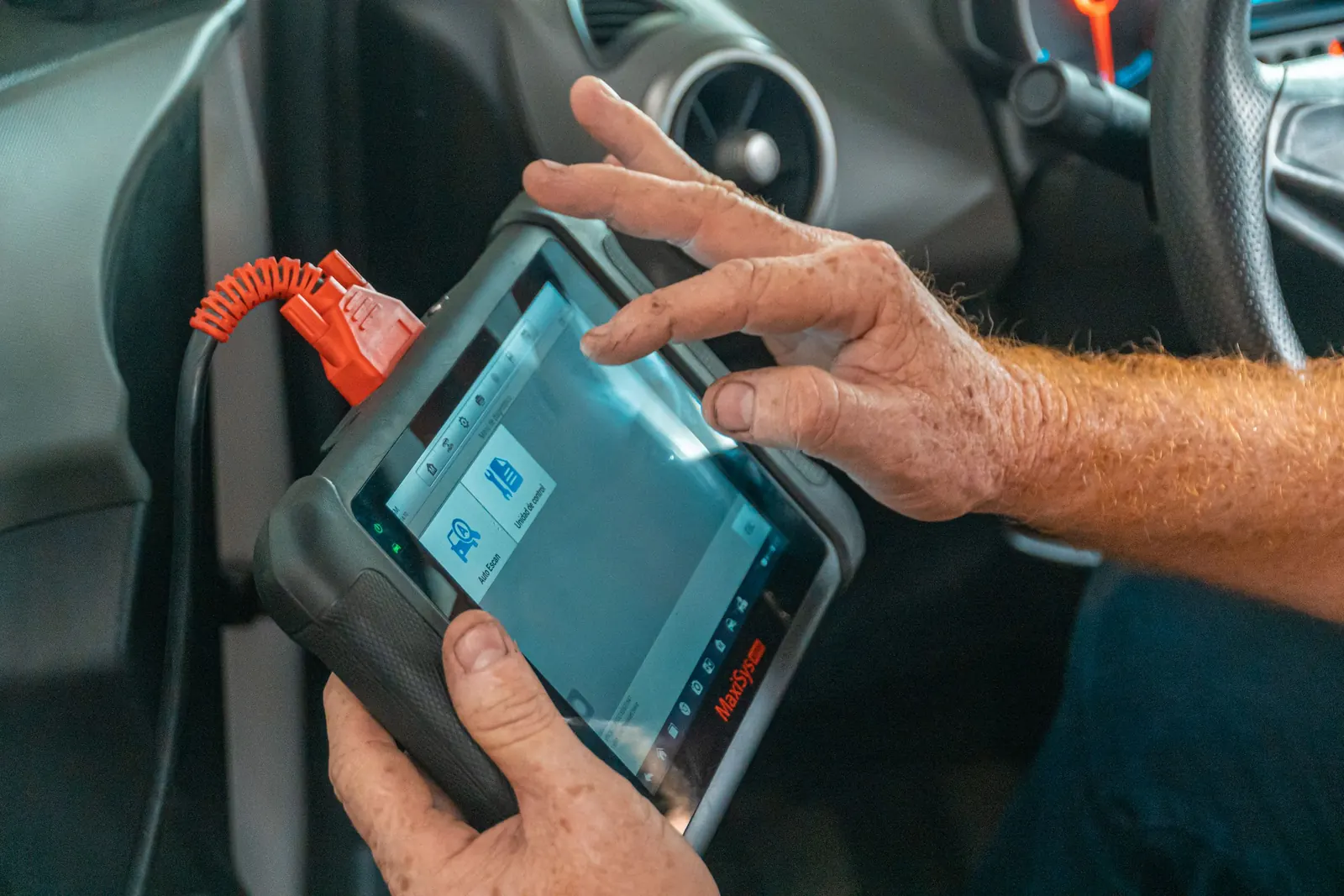
To read the codes, a diagnostic tool called an OBD scanner is connected to a standard port under the dashboard. These devices range from basic readers that show codes and simple descriptions to advanced scanners that display real‑time data and more detailed information. Many garages have professional‑grade scanners that go beyond what affordable home units can access.

When You Can Consider a DIY Approach

Understanding what a code means can help you decide how to proceed. Some codes may point to simple, inexpensive issues that a confident DIYer can handle. For example, a loose fuel cap can sometimes trigger an emissions‑related code and is a quick fix. Additionally, some common codes, like those indicating a slightly lean or rich fuel mixture, might be investigated and diagnosed further at home with the right tools and resources.

Basic OBD scanners and apps now make it easier to view and interpret codes. These are useful for tracking patterns, learning more about how your vehicle behaves, and deciding whether an issue is worth professional attention. For routine maintenance or minor sensor replacements, a DIY approach can be cost effective if you have the skills and confidence.

When to Seek Professional Help

While some issues are manageable at home, many situations require the expertise of a trained mechanic. Professional help is usually recommended in the following cases:

Serious Symptoms or Repeated Codes

If your vehicle exhibits strong symptoms such as loss of power, stalling, overheating, or a warning light that flashes rather than stays steady, it is wise to consult a professional. These symptoms often indicate serious underlying faults that could damage major components if ignored. Additionally, if you clear a code and it immediately returns, this suggests the fault persists and warrants a deeper investigation.

Complex or Manufacturer‑Specific Codes

Some trouble codes are specific to a car manufacturer and require access to proprietary information or advanced diagnostic capabilities. Manufacturers often include enhanced codes that basic scanners cannot fully interpret. Professional workshops have access to more sophisticated tools and detailed databases that can decode these and pinpoint the real issue.

Safety‑Critical Systems

Certain warning lights relate to systems that are critical for your safety, such as anti‑lock brakes, airbags, stability control, and power steering. Faults in these areas should always be checked by professionals. Even if the car still seems to drive normally, compromised safety systems can leave you vulnerable in an emergency.

Persistent or Intermittent Problems

If your vehicle shows intermittent faults that are not easily reproducible, or a combination of codes appears without clear cause, a professional diagnosis is usually the best course of action. Intermittent problems can be particularly tricky to trace and often require live data analysis and thorough testing that exceeds the capabilities of basic home equipment.

Why Professional Diagnostics Matters

A professional mechanic uses advanced diagnostic tools and techniques to not only read trouble codes but also understand the context in which they occur. This might involve reviewing live data streams, system performance over time, and comparing multiple parameters to find the root cause. Simply addressing the code number without this context can lead to unnecessary parts replacement and wasted money.

Mechanics can also carry out comprehensive testing that goes beyond what standard OBD scanners provide. They can simulate driving conditions, test components independently, and use manufacturer‑level diagnostic equipment to access deeper layers of the vehicle’s systems. This helps ensure any repair is accurate and lasting.

Preparing for a Professional Diagnosis

Before visiting a garage, it is helpful to record the codes you have retrieved and note any symptoms and conditions under which they appear. Information such as how long the warning light has been on, whether it is steady or flashing, and when the problem first occurred can assist the technician in diagnosing the issue more efficiently.

Conclusion

OBD codes are a powerful tool for understanding vehicle health and can give car owners valuable insights into emerging issues. However, they are only part of the story. While basic problems and straightforward codes may be manageable at home, more complex, persistent, or safety‑related faults should be evaluated by a professional. Combining your own understanding of OBD codes with expert diagnostic support ensures your vehicle remains safe, reliable, and in peak condition.