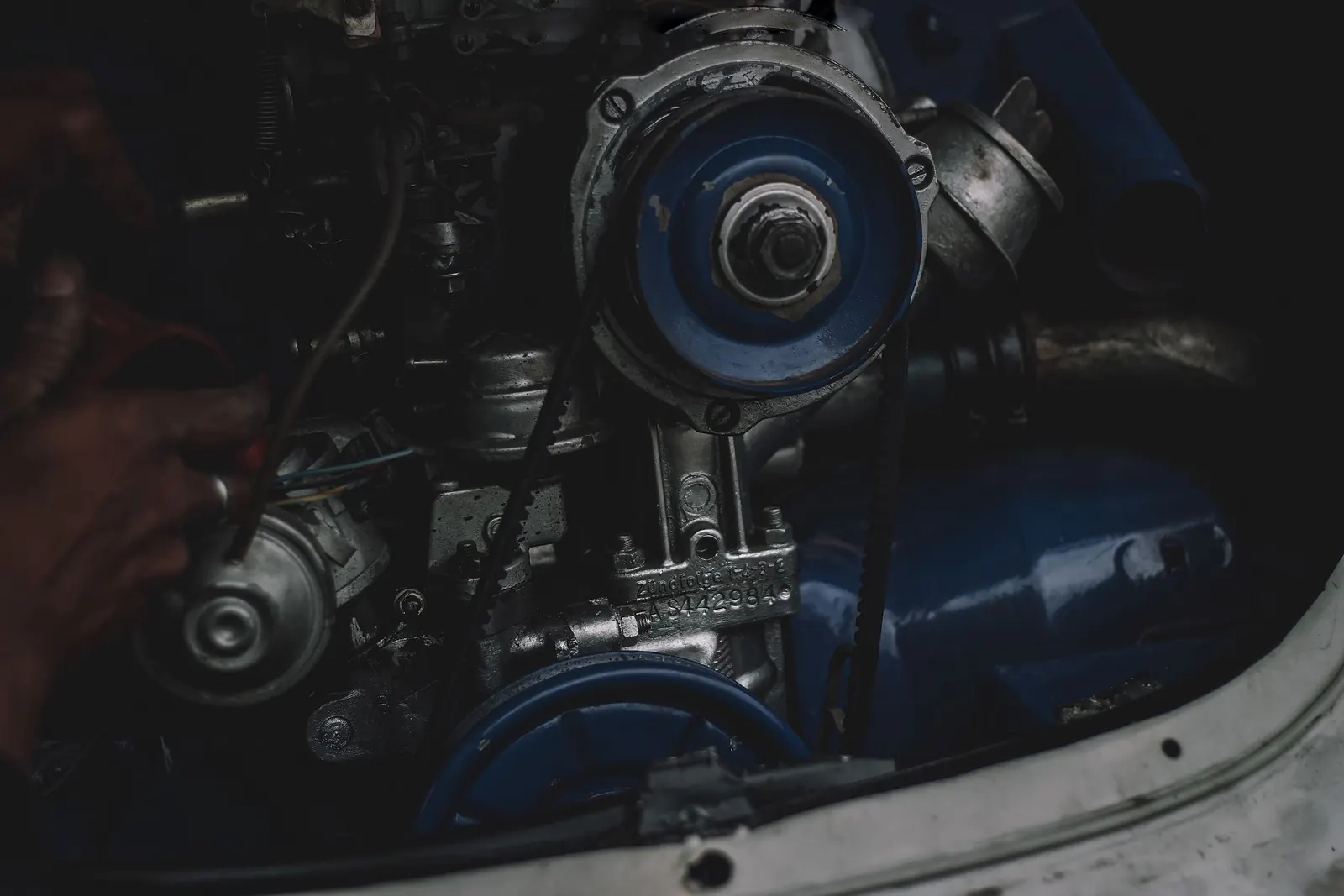
For most of us, our cars are more than just a means of transport. They’re our trusted companions for school runs, commutes, weekend getaways, and everything in between. Yet despite how much we rely on them, many drivers remain uncertain about what goes on under the bonnet, particularly when it comes to MOTs and regular servicing.
Whether you’re a seasoned driver or have only recently passed your test, understanding the essentials of vehicle maintenance isn’t just about keeping your car running smoothly. It’s about safety, reliability, and ultimately, peace of mind. After all, there’s nothing quite like the confidence that comes from knowing your vehicle is in peak condition as you navigate the winding country roads of Hampshire or join the morning rush on the A3(M).
Here in Horndean, perched on our scenic hilltop with views stretching across the South Downs, Windmill Garage has been providing expert vehicle care for over 35 years. We’ve seen automotive technology evolve dramatically during that time, but one thing remains constant: proper maintenance is the key to a vehicle’s longevity and performance.
This comprehensive guide aims to demystify MOTs and car servicing, explaining what they involve, why they matter, and how they differ. We’ll walk you through what happens during these procedures, help you understand the warning signs that your car needs attention, and explain why choosing a trusted local garage like ours can make all the difference to your driving experience. From the basics of legal requirements to practical advice on maintaining your vehicle between services, we’ve drawn on our decades of experience serving the communities of Horndean, Clanfield, Catherington, and beyond.
1. Understanding MOTs, what they are and why they matter
In the UK, the MOT test stands as one of the most fundamental aspects of vehicle ownership. Yet despite its importance, many drivers view it simply as an annual hurdle to clear rather than an essential safety check. Let’s change that perspective by exploring what an MOT really is, why it matters, and how it helps keep both you and other road users safe.
The basics: what exactly is an MOT?
MOT stands for Ministry of Transport test, though the ministry itself has gone through several name changes over the decades. This annual inspection is a legal requirement for most vehicles in the UK once they reach three years of age. It’s a comprehensive check of your vehicle’s roadworthiness, safety, and emissions levels against strict criteria established by the Driver and Vehicle Standards Agency (DVSA).
The test isn’t designed to assess the mechanical reliability of your vehicle or examine its engine condition in detail. Instead, it focuses on ensuring that your car meets the minimum safety and environmental standards required by law at the time of testing. Think of it as a safety snapshot of your vehicle on the day of the test, rather than a guarantee of its ongoing condition.
A brief history of the MOT
The MOT test has been safeguarding UK roads since 1960, when it was introduced under the Motor Vehicles (Tests) Regulations. Back then, the test was much simpler, applying only to vehicles over ten years old and focusing primarily on brakes, lights, and steering. Over the decades, the testable age was reduced to three years and the inspection criteria expanded to include many more safety and environmental factors. Today’s MOT is far more comprehensive, covering everything from emissions to electronic safety systems, and continues to be updated to account for new vehicle technologies.
When your vehicle needs an MOT
- Most vehicles require their first MOT test once they reach three years old.
- After this initial test, an MOT is required annually.
- The test can be carried out up to one calendar month before the current certificate expires while still preserving the anniversary date.
- Driving without a valid MOT certificate is illegal (except when driving to a pre-booked MOT appointment).
- The maximum penalty for driving without a valid MOT is £1, 000.
For residents in Horndean and surrounding areas like Clanfield and Catherington, keeping track of your MOT date is particularly important. The rural and sometimes challenging roads of Hampshire demand vehicles that are in proper working order, especially during the winter months when conditions can deteriorate quickly.
Legal implications of driving without a valid MOT
The consequences extend beyond the potential fine. Your insurance may be invalidated, meaning you could be personally liable for any damages in the event of an accident. If your vehicle is found to be in a dangerous condition, you could face penalty points on your licence and significantly higher fines. Police vehicles are now equipped with automatic number plate recognition (ANPR) technology that can instantly check if your vehicle has a valid MOT, so the days of “chancing it” are long gone.
Common misconceptions about MOT testing
Over our 35 years serving the Horndean community, we’ve heard numerous misconceptions. Let’s clear up some of the most common.
“An MOT guarantees my car is reliable for the next year.” This is perhaps the most dangerous misconception. An MOT only confirms that your vehicle met the minimum legal requirements on the day of testing. It’s not a service and doesn’t check many aspects of your vehicle’s mechanical condition. Regular servicing alongside your MOT is essential for reliability.
“If my car fails its MOT, I can’t drive it away.” This isn’t strictly true. If your current MOT certificate is still valid, you can drive the vehicle away even if it fails the new test. However, if your MOT has expired and your vehicle fails with ‘dangerous’ or ‘major’ defects, driving it on public roads would be illegal except to get to a pre-booked repair appointment.
“I don’t need an MOT if my car is regularly serviced.” Regular servicing is vital, but it doesn’t replace the need for an MOT. The MOT is a specific legal requirement focusing on safety and emissions, while servicing maintains the vehicle’s mechanical condition and performance.
“I need to return to the main dealer for an MOT to maintain my warranty.” This is incorrect. Any DVSA-approved MOT testing station can perform your MOT without affecting your manufacturer’s warranty, giving you the freedom to choose a trusted local garage like Windmill.
Why the MOT matters: beyond the legal requirement
While complying with the law is important, the real value of the MOT goes much deeper. This annual check serves as a vital safety net, potentially identifying dangerous issues before they lead to accidents or breakdowns. It also contributes to environmental protection by ensuring emissions remain within acceptable limits, and a full MOT history adds value to your vehicle when it comes time to sell.
2. What actually happens during an MOT test
Many vehicle owners drop their cars off for an MOT with little understanding of what actually takes place. At Windmill Garage, we believe in transparency, so here is what our qualified technicians check during a methodical inspection.
Lights and signalling equipment
Headlights (main beam and dipped), front and rear position lights, stop lights, rear reflectors, hazard warning lights, indicators, fog lights (if fitted) and registration plate lights. This matters particularly where rural roads between villages like Clanfield and Catherington lack street lighting.
Steering and suspension
Steering wheel condition and security, steering column, power steering, steering joints and gaiters, wheel bearings, suspension springs and shock absorbers, plus suspension joints, mountings and gaiters. The winding country roads around Windmill Hill put extra strain on these systems.
Brakes
Brake pedal condition and travel, master cylinder, fluid pipes and hoses, discs and pads, drums and shoes, electronic parking brake and ABS components (if fitted). With the steep hills around Horndean and nearby Butser Hill, effective braking is non-negotiable.
Tyres and wheels
Tread depth (must be at least 1.6mm throughout a continuous band in the central three-quarters of the tread), condition (looking for cuts, bulges or damage), tyre pressure monitoring systems (if fitted), and wheel condition and security. Your tyres are the only contact point between your vehicle and the road.
Seatbelts and restraint systems
Seatbelt condition, operation and security; pretensioners and load limiters (if fitted); reminder systems (if fitted); airbag warning lights; and child seat mounting points (if fitted).
Body structure and general items
Vehicle structure for excessive corrosion or damage, body security, doors, bonnet, boot or tailgate, fuel system, mirrors, registration plates and VIN. The salt used on Hampshire roads in winter can accelerate corrosion, making these checks especially relevant locally.
Exhaust and emissions
Exhaust system security and condition, exhaust noise levels, carbon monoxide emissions (petrol), diesel particulate filter (if fitted), smoke opacity (diesel) and the engine malfunction indicator lamp.
Visibility factors
Windscreen condition, wipers and washers, windows, and the driver’s view of the road.
The testing process: from arrival to completion
- Booking and arrival. Book online through our 24/7 system or by phone; on arrival we confirm your details and the test can begin.
- Vehicle identification. The test starts by checking the registration and VIN match the documentation.
- External inspection. The technician examines lights, tyres, body condition and other external components.
- Under-vehicle inspection. We raise the vehicle to inspect the exhaust, suspension, brakes and structural elements.
- Interior and function checks. Seatbelts, warning lights, horn and wipers.
- Emissions testing. We measure emissions against the required standards.
- Road test. In some cases a brief road test checks elements like brake performance or steering.
- Results and documentation. We explain any failures or advisories in clear, jargon-free language.
How long does an MOT take?
A standard MOT at Windmill Garage typically takes between 45 minutes and an hour. If we identify issues that need attention, the process may take longer, we always aim to be thorough rather than rushed. For commuters heading to Portsmouth or beyond, we offer early morning appointments so you can drop your car off before work.
What happens if your vehicle fails?
Don’t panic, failures are relatively common and usually straightforward to address. We provide a clear explanation of why your vehicle failed, a detailed breakdown of what needs fixing, transparent pricing, the option to have repairs completed on-site, and a free retest if repairs are carried out at our garage within 10 working days.
MOT failures are categorised as “dangerous, ” “major, ” or “minor” issues. Dangerous and major defects result in a test failure and may make it illegal to drive your vehicle except to a place of repair. Minor defects should be repaired as soon as possible but don’t cause a failure. “Advisories” highlight items that passed but may need attention soon, and we take the time to explain these.
Book your MOT
Class IV testing with a free re-test if your vehicle fails first time. Choose a slot from our live diary, 24 hours a day.
3. The value of regular car servicing
While the MOT ensures your vehicle meets minimum safety and environmental standards, regular servicing is what keeps it running reliably, efficiently, and economically. In over 35 years we’ve seen firsthand how proper servicing can extend a car’s lifespan and prevent costly breakdowns.
MOT vs servicing: understanding the difference
An MOT is a mandatory annual inspection that checks whether your vehicle meets the minimum legal requirements for safety and emissions. It’s a pass-or-fail test that doesn’t involve repairs unless needed to pass. A service, on the other hand, follows the manufacturer’s recommendations to keep your vehicle in optimal condition, replacing worn parts, changing fluids, and making adjustments. Servicing isn’t a legal requirement, but it’s essential for reliability, performance and value. Put simply: an MOT confirms your car is safe to drive today, while regular servicing helps ensure it stays safe, reliable and efficient in the months ahead.
Types of car service
Interim service, what we call a small service (every 6 months or 6, 000 miles)
Designed to keep your vehicle maintained between full services, particularly for high mileage or frequent short journeys. Typically includes an oil and oil filter change; a top-up of all essential fluids (brake fluid, power steering fluid, antifreeze, screen wash); a visual brake check; a tyre condition and pressure check; a lights and electrical systems check; and a visual inspection of steering and suspension components.
Full service (annual or every 12, 000 miles)
A comprehensive check carried out annually or by mileage, whichever comes first. Includes everything in the interim service plus air filter replacement; fuel filter replacement (diesel); spark plug replacement (petrol); an extensive brake inspection; a detailed suspension check; exhaust system inspection; extensive electrical systems testing; a cooling system check; and an air conditioning operation check.
Major service (every 24 months or 24, 000 miles)
The most comprehensive option. Includes everything in the full service plus replacement of the cabin filter; a brake fluid change; a coolant change; a detailed inspection of timing belt or chain condition; a comprehensive suspension inspection; and in-depth diagnostic checks of electronic systems.
Recommended servicing schedules
- Newer vehicles (under 3 years): follow the manufacturer’s schedule, typically alternating between interim and full services.
- Older vehicles (3–10 years): a full service annually, with a major service every two years, especially if you regularly drive the rural roads around Windmill Hill and Catherington.
- High-mileage vehicles (over 10 years or 100, 000 miles): more frequent servicing, with interim services every 6 months and a major service annually.
- Low-mileage vehicles: annual servicing is still essential, as components can deteriorate through age rather than use in the variable British climate.
How regular servicing saves money
It’s a common misconception that skipping services saves money. In reality, regular maintenance is one of the most cost-effective investments you can make. It prevents major breakdowns, a timing belt replaced during a service costs a few hundred pounds, but if it fails while you’re driving it could cause engine damage costing thousands. It improves fuel efficiency, extends vehicle lifespan, reduces emissions, and minimises unexpected repair costs by allowing planned, budgeted maintenance rather than emergency repairs.
Servicing and resale value
A complete service history demonstrates that you’ve taken proper care of the vehicle, helps protect any remaining manufacturer warranty, builds trust with potential buyers, and helps vehicles sell faster. At Windmill Garage we maintain detailed digital records of all services performed, providing comprehensive documentation that adds value when it’s time to sell.
Servicing
Interim, full and major servicing for nearly all makes and models, with a clear price agreed before we start.
4. Signs your car needs professional attention
Even with regular MOTs and servicing, vehicles can develop issues between scheduled visits. Recognising the warning signs can help prevent minor problems from becoming major headaches.
Unusual noises
Your car communicates in many ways, and unusual sounds are often the first indication that something isn’t right. Squealing or grinding when braking typically indicates worn brake pads or discs. Knocking or tapping from the engine can range from low oil pressure to valvetrain problems and should never be ignored. Whining under the bonnet is often related to power steering, alternator or water pump issues. Clunking or clicking when turning usually suggests CV joints, wheel bearings or suspension components. Rumbling or humming from the wheels typically indicates worn wheel bearings or uneven tyre wear.
Dashboard warning lights
- Engine management (check engine): an amber light that can indicate anything from a loose fuel cap to serious engine problems, have it checked promptly with diagnostic equipment.
- Oil pressure: a red light indicating potentially serious issues; stop as soon as it’s safe and seek help to avoid engine damage.
- Battery / charging system: a problem with the electrical charging system; the battery will eventually discharge.
- Brake system: low brake fluid, worn pads or an ABS fault, address immediately.
- Tyre pressure monitoring (TPMS): incorrect pressures, affecting handling, economy and tyre life.
- Airbag: a fault meaning it may not deploy correctly; requires professional diagnosis.
- Temperature: a red light indicating overheating, stop safely as soon as possible.
Unusual sensations while driving
Vibrations through the steering wheel often relate to wheel balance, worn suspension or brake problems. Pulling to one side usually indicates alignment issues, uneven tyre pressure or brake problems. A bouncy or unstable ride suggests worn shock absorbers. Delayed response when accelerating could indicate fuel system issues, clogged filters or transmission problems. A spongy or soft brake pedal often indicates air in the brake lines or master cylinder issues. Difficulty steering could suggest power steering problems.
Visual indicators
Watch for fluid leaks under the car, dark brown/black oil suggests engine or transmission leaks; green/pink fluid typically indicates coolant; clear/brown fluid with a burning smell suggests brake fluid; red fluid often indicates power steering or transmission fluid. Uneven tyre wear can indicate alignment or suspension problems. Exhaust smoke colour helps diagnose: blue indicates oil burning, white (when warm) suggests coolant entering the combustion chambers, and black indicates the engine is running rich.
The cost of delaying
Small issues that would have been inexpensive to fix often develop into major problems. For example:
- Ignoring brake pad wear, pads cost £80–150; if discs are also damaged, £200–400+.
- Driving on with timing belt warning signs, preventative replacement £300–500; if the belt breaks, £1, 500–3, 000+.
- Ignoring oil leaks, a gasket or seal costs £100–300; a seized engine, £2, 000–4, 000+.
- Delaying suspension repairs, a single component £150–300; multiple components, £500–1, 000+.
This is why we always encourage customers to address warning signs promptly. What seems like an unwanted expense today could save you significantly more in the future.
Diagnostics
Noticed something that doesn’t seem right? Our main-dealer-level diagnostic equipment reads fault codes and finds the real problem, fast.
5. Local vs national chains, why choose an independent garage?
National chains often seem like the default option, but here in Horndean and across Hampshire, independent garages like Windmill continue to thrive. Understanding the differences can help you decide who looks after your vehicle.
Personal service vs corporate processes
When you bring your vehicle to us, you’re not just another job number in a computer system. Our technicians get to know you and your car, understanding your driving habits and the specific demands of the roads around Horndean, Clanfield and Catherington. National chains, while efficient, typically operate on standardised processes designed for volume, and the technician working on your car today might not be the same one next time.
Experience and continuity of care
Independent garages often have technicians with decades of experience who stay with the business for many years; our team includes mechanics who have been with us for over 20 years. When you regularly visit the same garage, a relationship develops that benefits your vehicle’s long-term health. We maintain detailed records of all work carried out, building a history that helps us notice patterns or developing issues that would otherwise be missed.
Pricing structure and transparency
National chains carry substantial overheads, nationwide marketing, corporate management layers, and often expensive high-street locations, and these costs filter down to pricing. Our hilltop location gives us reasonable overheads while remaining convenient for local residents. We don’t have corporate targets or shareholders to satisfy, allowing us to focus on fair pricing with clear explanations of what work is needed and why, without pressure to upsell.
Local knowledge and relationships
Having operated from our Horndean hilltop for over three decades, we understand the specific challenges vehicles face in our region: the effect of hilly terrain on braking systems, the impact of narrow country lanes on suspension, the seasonal challenges of Hampshire weather, and the varying road surfaces from the smooth A3(M) to rural B-roads. This local knowledge lets us provide more targeted advice than a one-size-fits-all national approach. Choosing an independent garage also supports the local economy, keeps skills within the community, and, perhaps most valuable of all, builds trust over time.
6. Windmill Garage, your trusted local expert
Our hilltop location has become a landmark in itself, with drivers from across Hampshire trusting us with their vehicles for over three decades. But what makes Windmill Garage different?
A rich history in Horndean
Windmill Garage’s story begins over 40 years ago when John Simmance first started working independently in the motor trade. For more than 35 years he has been based at our distinctive hilltop location in Horndean, building a business that has grown organically through word-of-mouth recommendation rather than aggressive marketing. Over the decades we’ve built relationships that span generations, servicing first cars for new drivers who now bring their children’s vehicles to us.
Qualifications and expertise
Our technicians bring decades of combined experience across a wide range of makes and models, and many have been with us for years. The automotive industry evolves rapidly, so we invest in ongoing training, from hybrid and electric vehicle maintenance to the latest diagnostic procedures, ensuring we can confidently service even the newest vehicles. We’ve developed particular expertise in diagnostic troubleshooting, suspension and steering optimisation for Hampshire’s varied roads, brake system maintenance for hilly terrain, and preventative maintenance planning.
State-of-the-art equipment
We’ve invested significantly in modern diagnostic and repair equipment, allowing us to offer services comparable to main dealers but with the personal touch of an independent. Our diagnostic equipment can read and interpret fault codes, test electronic components, calibrate advanced driver assistance systems, program and update vehicle software, and perform emissions diagnostics to pre-test MOT standards. What sets us apart is how we combine this technology with our technicians’ experience and intuition to understand the underlying causes of issues, not just the symptoms.
What our customers say
Over our 35+ years serving Horndean and the surrounding areas, we’ve built a reputation reflected in the feedback we receive.
Have used Windmill Garage for over 19 years, for all our service and MOTs for all our family’s vehicles. Always found them to be open and honest about all repairs ever needed to our cars, always polite, and always explain what needs doing and why.Arc Morpheus · Google review
Excellent service as always. Friendly staff who explain everything clearly and don’t try to bamboozle you with technical jargon. Fair pricing too. Wouldn’t take my car anywhere else.Customer from Clanfield
These testimonials reflect the values we’ve always prioritised: honesty, clarity, fairness and exceptional service.
Services beyond MOT and servicing
While MOTs and servicing form the backbone of our business, we offer a complete range of automotive services: diagnostics for engine management, ABS, airbag and other systems; repairs to all vehicle systems including engine, transmission, electrical, suspension, steering, brakes, exhausts and air conditioning; tyre supply and fitting; air conditioning service and regas; battery testing and replacement; wheel alignment; pre-purchase inspections; and seasonal checks. Our hilltop location is conveniently placed for Horndean, Clanfield, Catherington, Blendworth, Cowplain and Waterlooville, with easy access from the A3(M) and ample parking.
About the garage
Get to know the garage. Family-run, honestly priced, and rooted in the Horndean community for over 35 years.
7. Preparing for your MOT or service
A little preparation can make your garage visit smoother and more efficient.
Documents and items to bring
For an MOT: your MOT reminder or previous certificate (useful for discussing past advisories), your V5C registration document, any relevant service history, and a payment method, we accept all major credit and debit cards, as well as cash.
For a service: service history and previous invoices, your service book (so we can stamp it), and a brief note of any concerns you’ve noticed, such as unusual noises, warning lights or performance changes.
For specific repairs: notes on when and how the problem occurs (for example whether a noise happens when the engine is cold or hot), any relevant warning lights or messages, and previous repair documentation.
How to book your appointment
Our 24/7 online booking system lets you schedule your MOT or service at a time that suits you, even outside our opening hours. The real-time system shows actual availability, so your selected slot is secured immediately. Prefer to speak to a person? Our friendly team is available during business hours on 02392 571003 to discuss your vehicle’s needs.
Based on our experience, we recommend booking your MOT in advance, particularly during busy periods (typically March and September due to plate changes, and December and January due to holidays). Booking 3–4 weeks ahead ensures your preferred slot. For many residents, combining an MOT with a service makes sense logistically and can identify issues before they cause a failure.
What to expect on the day
On arrival, our reception team will greet you, confirm the work to be carried out, verify your contact details and provide an estimated completion time. If additional issues are identified during the work, we’ll contact you to discuss before proceeding. When the work is complete, we’ll explain what was done, go through any advisories, provide detailed documentation, and take payment by card or cash. If being without your vehicle is inconvenient, we can arrange local taxi services and, for longer jobs, sometimes offer courtesy cars (subject to availability and advance booking).
Understanding your certificate or report
Your MOT certificate shows basic vehicle details, the test result, the odometer reading, the expiry date and testing station details. A pass lists any “advisory” items; a fail details the “reasons for rejection” categorised as dangerous, major or minor defects. Your service report sets out the work carried out, any additional work performed with your agreement, parts replaced, fluid levels checked, and recommendations for future attention. We keep both clear and jargon-free.
8. Maintaining your car between services
What you do between scheduled visits significantly impacts your car’s performance, reliability and lifespan. Here are practical tips any driver can follow.
Regular checks you should perform
Tyre pressure and condition: check pressures at least monthly and before long journeys, look for uneven wear, cuts or bulges, and ensure tread depth stays above the legal minimum of 1.6mm across the central three-quarters. Fluid levels: check engine oil when cold and on level ground; check coolant in the reservoir when cold; keep screen wash topped up year-round with proper concentrate; and check brake fluid is between the marks (but never open the cap unless qualified). Lights and signals: regularly check all exterior lights, replace failed bulbs promptly, and keep lenses clean. Windscreen and wipers: replace wipers that smear, repair chips before they spread, and keep the glass clean. Battery terminals: check for white, powdery corrosion and ensure terminals are tight and secure.
Driving habits that extend vehicle life
Allow your engine a brief warm-up before driving hard, particularly in cold weather. Drive smoothly, avoid harsh acceleration and braking, change gears at appropriate revs, and anticipate the road ahead. Try not to leave your vehicle standing unused for extended periods; an occasional longer drive helps clear carbon deposits and fully warm the engine. And avoid carrying unnecessary weight, which puts additional strain on brakes, suspension and the drivetrain.
Seasonal car care for Hampshire conditions
Winter: have your battery tested, ensure coolant has the correct antifreeze concentration, replace worn wiper blades and use winter-grade screen wash, and check tread depth is well above the legal minimum. Spring: consider an underbody wash to remove salt deposits, check for stone chips, have air conditioning serviced, and inspect alloy wheels for winter damage. Summer: check the cooling system for leaks or perished hoses, have air conditioning checked if it’s not cooling effectively, and check tyre pressures more frequently in hot weather. Autumn: with darker evenings, ensure all lights work and lenses are clean, replace ineffective wipers, have the battery tested, and assess tyre tread before wetter conditions arrive.
DIY checks you can perform at home
With the engine cold and switched off, open the bonnet and check fluid levels, belt condition (looking for cracks or fraying), hose condition, battery terminals and the air filter if accessible. With the vehicle safely parked on level ground, look for fluid leaks beneath the car, check the exhaust for rust, and inspect visible suspension components and tyre sidewalls. Simple tasks like topping up washer fluid with the correct concentrate, checking oil level on the dipstick, adjusting tyre pressures when cold, and replacing bulbs in pairs are all well within reach.
When to leave it to the professionals
Some tasks are best left to qualified technicians: brake system work beyond checking fluid levels; engine management issues that require specialist diagnostic equipment; timing belt replacement, where incorrect installation can cause catastrophic engine damage; and air conditioning repairs, which involve refrigerants requiring proper handling. Certain symptoms, knocking or tapping from the engine, grinding when braking, an illuminated engine management, ABS, airbag or oil pressure light, significant loss of power, excessive exhaust smoke, or pulling to one side when braking, should prompt a prompt professional visit rather than a DIY attempt.
9. Common MOT failures and how to avoid them
Every year, millions of vehicles in the UK undergo their MOT, and a significant percentage fail on their first attempt. Our experience has given us insight into the most common failure points and, more importantly, how to avoid them.
The most common failure points
- Lighting and signalling (~30%): the single most common reason for failure, headlights with incorrect aim or not working, brake lights, indicators, registration plate lights and rear reflectors.
- Suspension and steering (~20%): worn shock absorbers, damaged ball joints, leaking power steering, excessive play and deteriorated bushes.
- Brakes (~17%): imbalanced braking forces, worn pads and discs, leaking fluid, incorrectly adjusted handbrakes and damaged pipes or hoses.
- Tyres and wheels (~10%): insufficient tread depth (below 1.6mm), sidewall damage, mismatched tyres on the same axle and incorrect specification.
- Visibility (~8%): damaged windscreens in the driver’s line of sight, ineffective washers, worn wipers and over-tinted windows.
Pre-MOT checks you can do yourself
Many failures can be prevented with simple checks. Lighting: ask someone to help you verify all exterior lights work and look for cracked lenses or incorrect colours. Windscreen and wipers: inspect for cracks or chips in the driver’s line of sight, check the wipers for splits, and test the screen wash. Tyres: check all tyres have at least 1.6mm of tread across the central three-quarters, look for cuts or bulges, and confirm pressures. Seatbelts: pull each fully to check it extends and retracts and that the locking mechanism engages. Horn and plates: test the horn and check plates are secure, clean, legible and the correct colour. Fluids and warning lights: check oil and coolant levels, look for leaks, and confirm no warning lights remain illuminated after starting.
The importance of addressing advisories
Advisory notices are early warnings, components wearing but still within acceptable limits, or issues that may deteriorate into failures. While it’s tempting to celebrate a pass and ignore them, this often proves costly. Replacing brake pads at the advisory stage is significantly cheaper than waiting until they damage the discs; fixing a minor oil leak is less expensive than the engine damage that can result from running low on oil; and replacing a tyre approaching the legal limit is cheaper than dealing with a blowout. Planning repairs around advisories also lets you schedule work at convenient times.
Understanding the MOT categories
Since 2018 the MOT has used clearer defect categories. Dangerous defects pose a direct and immediate risk and result in failure, the vehicle should not be driven until repaired. Major defects also fail the test and need repairing immediately. Minor defects don’t fail the test but should be repaired as soon as possible. Advisories are issues to monitor, and a pass covers components meeting all required standards. We explain these categories clearly so you understand the implications and urgency of any issue found.
MOT & service
Give yourself the best chance of a first-time pass. Combine your MOT with a service so potential failure points are caught and fixed in a single visit.
10. The future of car maintenance
The automotive industry is evolving at an unprecedented pace, transforming both vehicles and how we maintain them. Understanding these trends helps us prepare for the future while continuing to provide exceptional service.
Changes in vehicle technology
Modern vehicles are increasingly defined by their electronic systems. Today’s average car contains dozens of electronic control units managing everything from engine performance to climate control. Identifying issues now often requires sophisticated diagnostic equipment rather than just mechanical knowledge; software updates are becoming routine; and sensor networks create new maintenance challenges. Advanced driver assistance systems (ADAS), automatic emergency braking, lane departure warning, adaptive cruise control, blind spot monitoring and parking assistance, rely on precisely calibrated cameras, radar and sensors, which may require recalibration after windscreen or suspension work.
Electric and hybrid considerations
Hybrid vehicles still require conventional maintenance for their combustion engines, but their high-voltage systems demand specific safety protocols and expertise, and their regenerative braking changes wear patterns and testing approaches. Full electric vehicles eliminate the combustion engine entirely, there are no oil changes, timing belts or fuel filters, but tyres often wear faster due to instant torque, batteries require specialised diagnostics, and thermal management systems still need maintenance. Working safely with high-voltage systems requires specific training, which our technicians have undertaken.
Upcoming changes to MOT regulations
As ADAS becomes more common, the MOT is likely to incorporate checks of these safety-critical features. The On-Board Diagnostics (OBD) port already plays a role in emissions testing and that role is likely to expand. Emissions standards are likely to become more stringent, particularly for diesel vehicles, and the test continues to move toward connected equipment and digital record-keeping. We stay informed about proposed changes so we can guide our customers through any transitions.
Staying ahead
Maintaining the knowledge and capability to service modern vehicles requires continuous investment in both people and technology. We undertake manufacturer-specific training, keep qualifications current, prioritise emerging areas such as hybrid and electric vehicle maintenance and ADAS calibration, and regularly update our diagnostic, calibration and emissions equipment. We subscribe to comprehensive technical databases providing repair procedures, specifications and wiring diagrams for virtually all vehicles on the road.
Conclusion: keeping your vehicle in prime condition
Throughout this guide we’ve explored the many facets of vehicle maintenance, from what happens during an MOT to recognising the signs that your car needs attention. A few key takeaways are worth repeating.
- MOTs are a legal requirement, not an optional extra. Once your vehicle reaches three years old, an annual MOT is mandatory; driving without a valid certificate is illegal and could invalidate your insurance.
- MOTs and servicing serve different but complementary purposes. An MOT confirms your vehicle meets legal requirements on the day; servicing maintains its mechanical condition, reliability and efficiency over time.
- Regular maintenance saves money in the long run. Addressing small issues before they develop into major problems is almost always more economical.
- Maintenance needs vary by location and usage. The mix of rural lanes, hills and faster A-roads around Horndean creates particular requirements that benefit from local expertise.
- Modern vehicles require specialised knowledge and equipment. As cars become more complex, the value of expert maintenance grows accordingly.
For over 35 years, Windmill Garage has served the Horndean community from our distinctive hilltop location. What sets us apart is our combination of deep local knowledge, continuity of care, technical excellence without the premium price, an honest and transparent approach, and genuine community roots. We don’t just fix cars; we build relationships, many of our customers have been with us for decades, bringing successive vehicles to our workshop.
Whether your vehicle is due for its MOT, requires a service, or you’ve noticed something that doesn’t seem quite right, taking prompt action is the key to maintaining its reliability, safety and value. Your vehicle deserves expert care from people who understand both the technology under the bonnet and the roads you drive every day.
Practical information
Contact details
- Phone: 02392 571003
- Email: info@windmillgarage.co.uk
- Address: 249 London Road, Horndean, Waterlooville, Hampshire, PO8 0HW
- Opening hours: Monday to Friday, 08:30–17:00. Saturday and Sunday closed.
Online booking
You can book MOTs or services online 24 hours a day with our live, real-time booking system. Select your preferred date and time from the available slots, choose the type of service you require, and receive immediate confirmation. The system is particularly popular with busy professionals who can’t always call during business hours.
Directions
Windmill Garage sits on London Road (B2149) in Horndean, on the hilltop. From Horndean village centre, head north on London Road and we’re on the right, about half a mile from the centre. From Clanfield, head south on White Hill/London Road and continue onto the B2149; we’ll be on your left as you approach Horndean. From Catherington, head east on Catherington Lane, turn right onto London Road and we’re about 0.7 miles on your right. From the A3(M), exit at Junction 2 and take the London Road exit toward Horndean; we’re about a mile on your left. The nearest bus stop, “London Road / Keydell Nurseries, ” is a short walk away.
Services offered
- MOT testing (Class 4 vehicles)
- Interim, full and major servicing
- Diagnostics
- Repairs and maintenance
- Tyre supply and fitting
- Air conditioning service
- Battery testing and replacement
- Wheel alignment
- Brake system repairs
- Suspension and steering repairs
- Exhaust system repairs
- Pre-purchase inspections
- Seasonal vehicle checks
Further reading
For official guidance on MOTs and vehicle maintenance, these resources are worth bookmarking:
- GOV.UK, Getting an MOT
- GOV.UK, Car parts checked at an MOT
- Driver and Vehicle Standards Agency (DVSA)
- Check the MOT history of a vehicle
- RAC guide to car maintenance
For personalised advice specific to your vehicle and driving conditions around Horndean, our experienced team is always happy to help. Read more about our full range of services, browse our news and guides, or get in touch.
Ready to book?
Choose a date and time that suits you from our live diary, 24 hours a day, seven days a week.